




Lemon Oil Manufacturing Process: Cold Pressed vs Distilled

Over the last decade, India has emerged as one of the most trusted hubs for essential oils manufacturing worldwide. From aromatherapy brands and cosmetic manufacturers to food, pharma, and wellness companies, global buyers increasingly rely on Indian suppliers for consistent quality, competitive pricing, and large-scale supply.
But what exactly makes India a preferred destination for sourcing essential oils? Let’s break it down.
1. India’s Natural Advantage in Essential Oil Production
One of the biggest reasons global buyers prefer Indian essential oil manufacturers is agro-climatic diversity. India’s varied soil types, temperature zones, and rainfall patterns allow cultivation of a wide range of aromatic plants.
Key essential oil crops grown in India include:
-
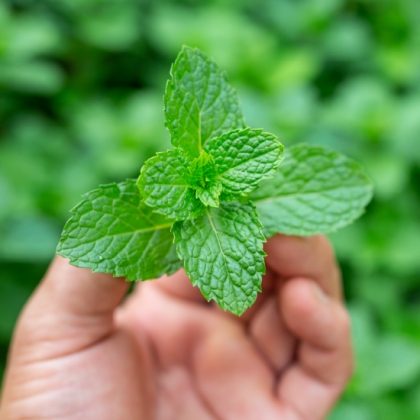
Peppermint (Mentha Piperita)
-
Spearmint and other mint varieties
-
Lemongrass and citronella
-
Eucalyptus
-
Lavender (in selected regions)
-
Citrus oils like lemon and orange
This natural advantage ensures steady availability of raw materials without heavy dependence on imports.
2. Strong Farm-to-Manufacturing Ecosystem
Indian suppliers often operate within a farm-to-factory model, where cultivation, harvesting, distillation, and processing are closely controlled. This reduces variability in quality and improves traceability.
Global buyers value suppliers who:
-
Work directly with farmers or cooperatives
-
Maintain long-term crop sourcing contracts
-
Monitor harvesting cycles for optimal oil yield
This integrated approach leads to better consistency across batchesan important factor for large brands.
3. Advanced Distillation & Processing Techniques
Modern essential oil manufacturing units in India use:
-
Steam distillation
-
Cold pressing (for citrus oils)
-
Fractional distillation (for specific applications)
Many manufacturers have upgraded their facilities to meet international quality benchmarks, ensuring oils retain their natural aroma, active compounds, and stability.
For global buyers, this means receiving oils that meet formulation and performance expectations across industries.
4. Competitive Pricing Without Compromising Quality
Cost efficiency is a major reason why international buyers prefer Indian essential oil suppliers.
India benefits from:
-
Lower cultivation and labor costs
-
Local availability of raw materials
-
High production volumes
This allows Indian manufacturers to offer competitive wholesale and bulk pricing, especially for large orderswithout sacrificing purity or quality.
5. Compliance with Global Quality Standards
Leading Indian essential oil manufacturers follow strict quality and safety protocols. Buyers typically receive:
-
GC-MS (Gas Chromatography–Mass Spectrometry) reports
-
Certificate of Analysis (COA)
-
MSDS / SDS documentation
-
Batch-wise testing records
Many facilities also comply with ISO, GMP, and export-grade standards, making Indian essential oils suitable for regulated markets like the USA, Europe, and the Middle East.
6. Wide Range of Industrial Applications
Indian essential oil suppliers cater to multiple global industries, including:
-
Food & beverage flavoring
-
Cosmetics and personal care
-
Pharmaceuticals
-
Aromatherapy and wellness
-
Household and cleaning products
-
Fragrance and perfumery
This cross-industry expertise gives buyers confidence that suppliers understand formulation requirements, safety limits, and application-specific grades.
7. Reliable Bulk Supply & Scalability
For global buyers, supply continuity is critical. Indian manufacturers are well-equipped to handle:
-
Bulk essential oil orders
-
Long-term supply contracts
-
Customized packaging requirements
From small trial quantities to drum-level bulk shipments, suppliers offer scalable solutions that grow with your business.
8. Strong Export Infrastructure & Logistics Support
India has a mature export ecosystem, making international sourcing smoother for buyers.
Most established essential oil suppliers offer:
-
Export-ready packaging
-
Proper labeling and documentation
-
Experience with customs and global shipping norms
This reduces delays, compliance risks, and logistical complications for overseas buyers.
9. Growing Demand for Natural & Organic Oils
With rising global demand for clean-label and plant-based products, Indian manufacturers have expanded into:
-
Organic essential oil production
-
Sustainably sourced oils
-
Traceable and ethically produced batches
This aligns well with international market trends and consumer expectations.
10. Long-Term Partnership Approach
Unlike transactional suppliers, many Indian essential oil manufacturers focus on long-term relationships. Global buyers benefit from:
-
Consistent pricing structures
-
Priority production for repeat clients
-
Custom solutions for specific formulations
This partnership-driven approach is one of the reasons buyers continue sourcing from India year after year.
Final Thoughts
India’s dominance in essential oils manufacturing is not accidental. A strong agricultural base, modern processing facilities, global compliance standards, and cost efficiency make Indian suppliers a natural choice for international buyers.
For businesses seeking high-quality, reliable, and scalable essential oil supply, Indian manufacturers offer a rare combination of quality, value, and trustmaking them a preferred sourcing destination worldwide.